Cricket VR Simulator

Project details

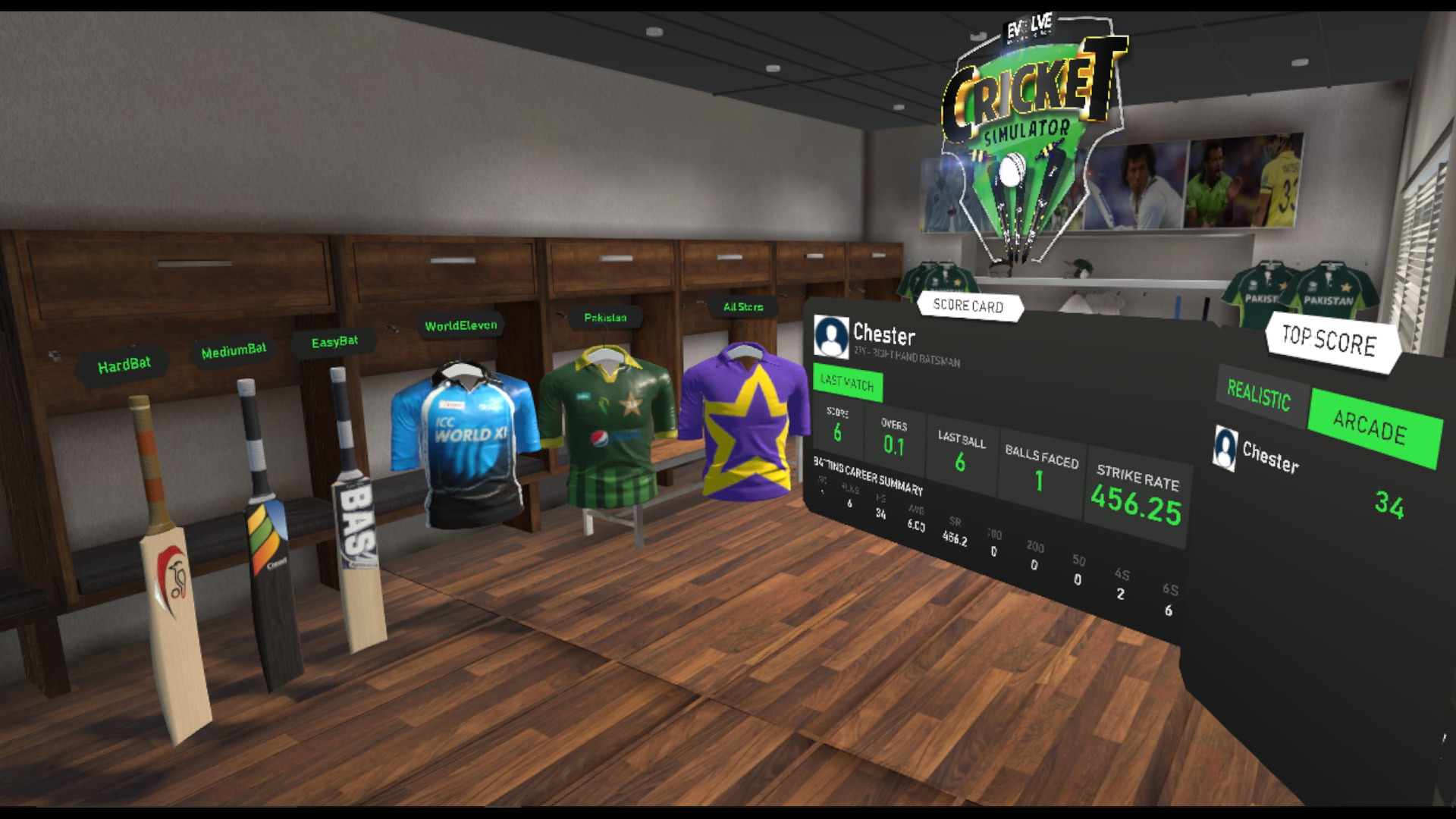
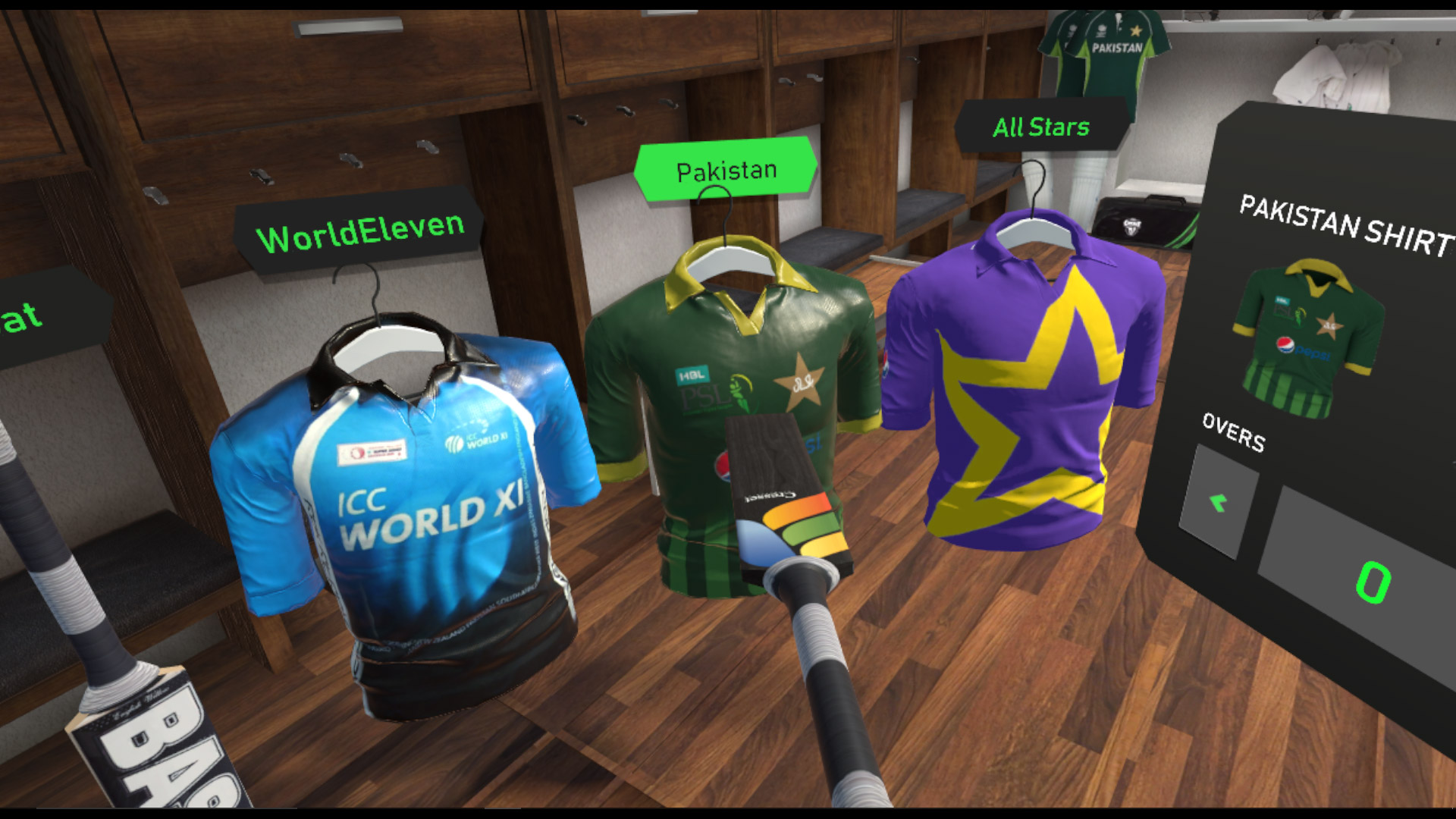
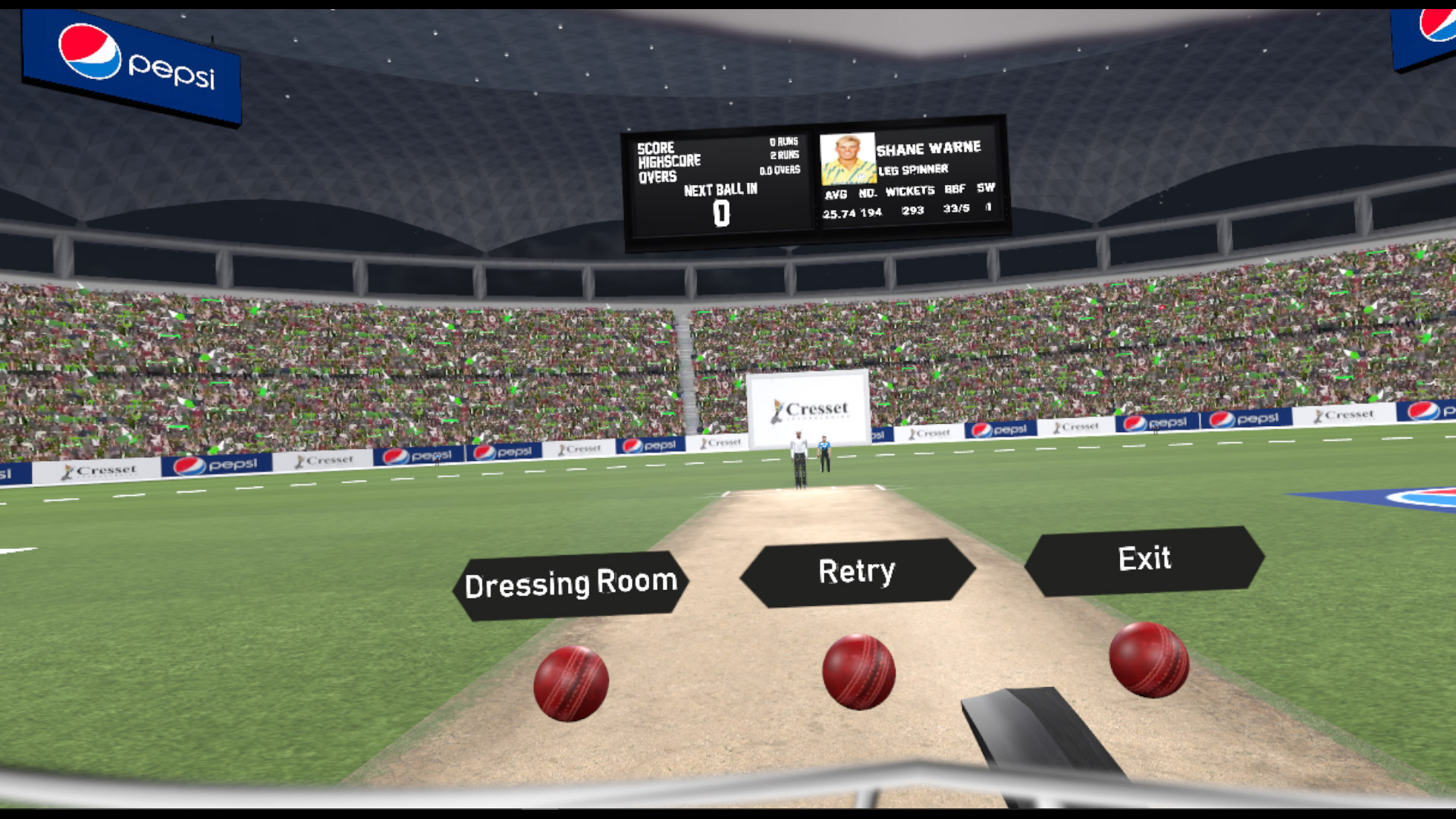
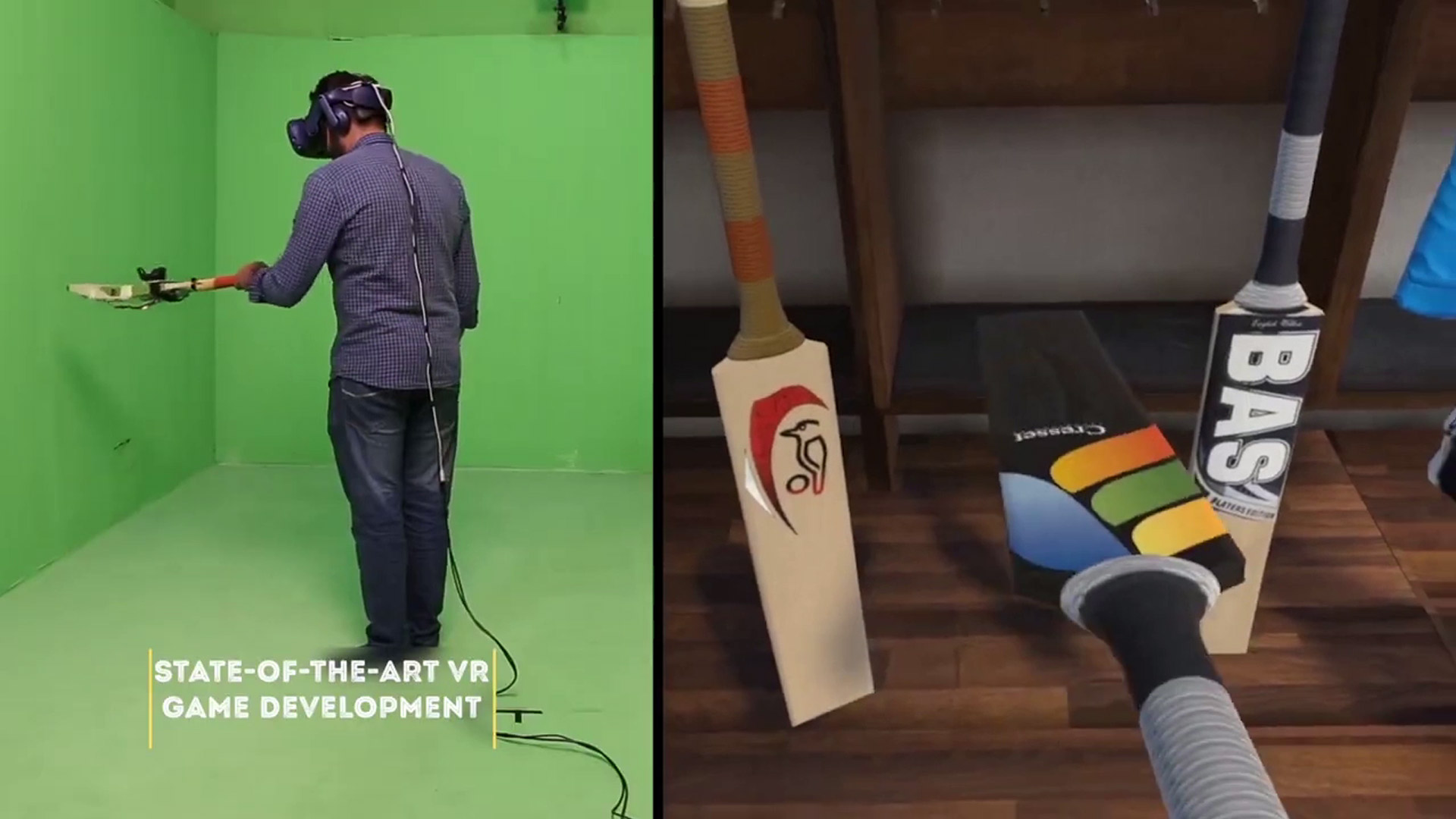
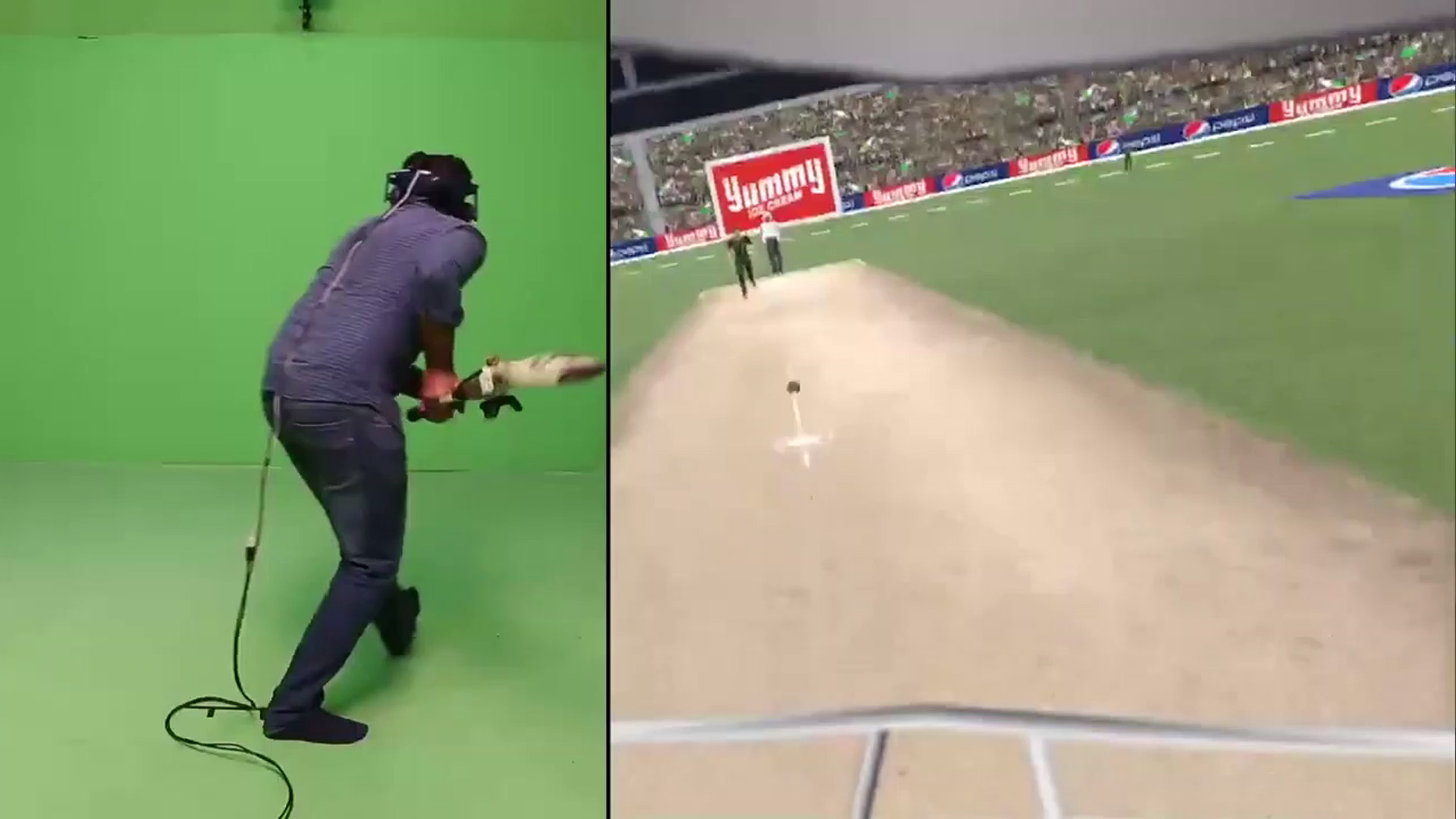
The Cricket VR Simulator is a high-fidelity Spatial Intelligence platform designed to synchronize proprietary physical hardware with real-time virtual physics. The architecture facilitates a "controller-less" experience by orchestrating a custom-built physical bat, Arduino-powered haptics, and HTC Vive Trackers into a unified sensory loop. This project demonstrates a sophisticated approach to latency-critical hardware integration and scalable backend infrastructure for high-throughput public activations.

Key Systems Architecture

  • Proprietary Sensory Integration: Engineered a unique hardware-software bridge using Arduino to trigger real-time haptic feedback upon physics-calculated impacts within the Unity engine.
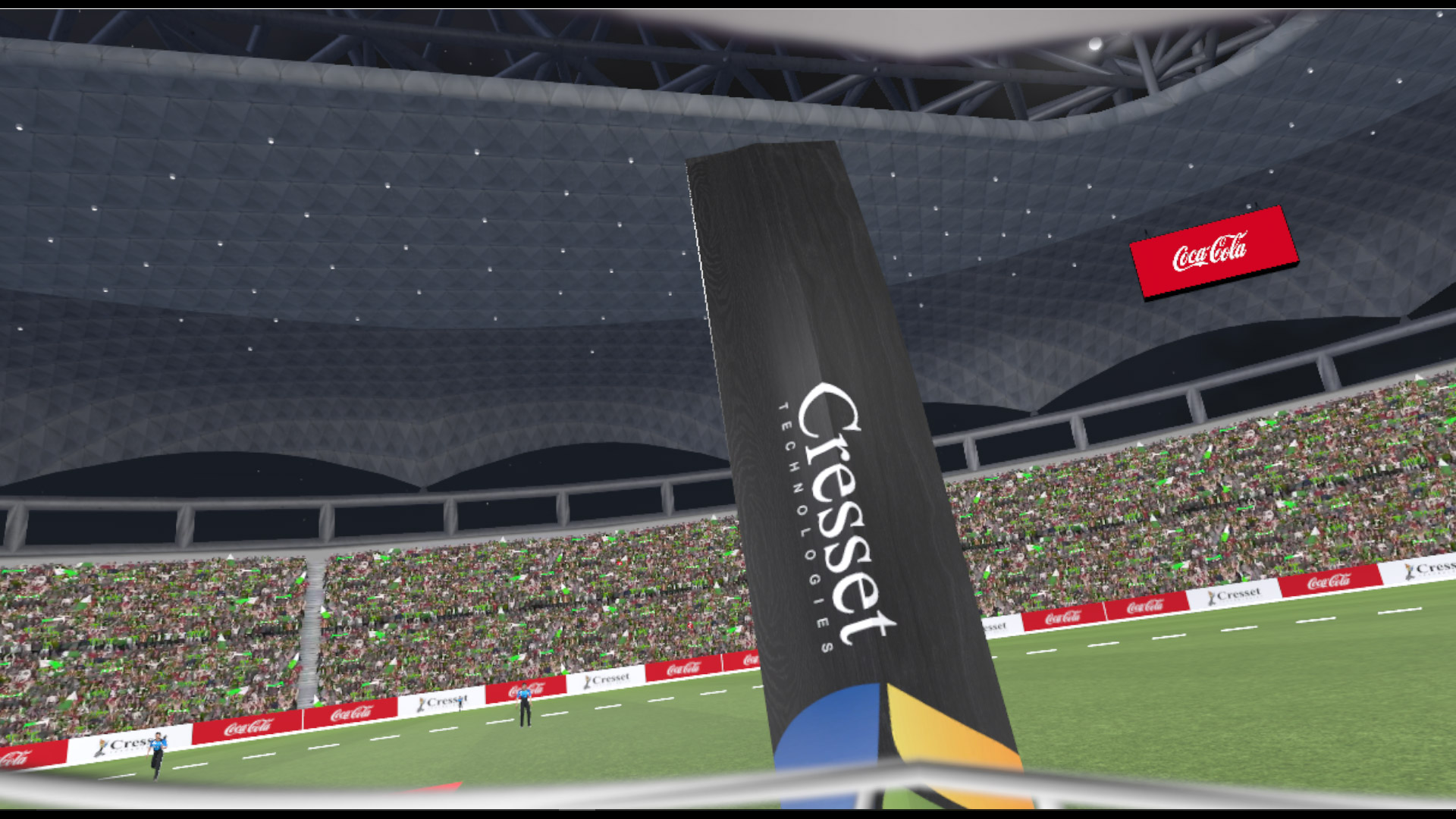
  • Spatial Tracking & Physics: Architected a high-precision tracking system using Vive Trackers to map physical bat trajectories into a physics-based batting engine with sub-millimeter accuracy.
  • Scalable User Orchestration: Designed an integrated backend using PlayFab to manage mobile-based SMS authentication, persistent player profiles, and global competition state.
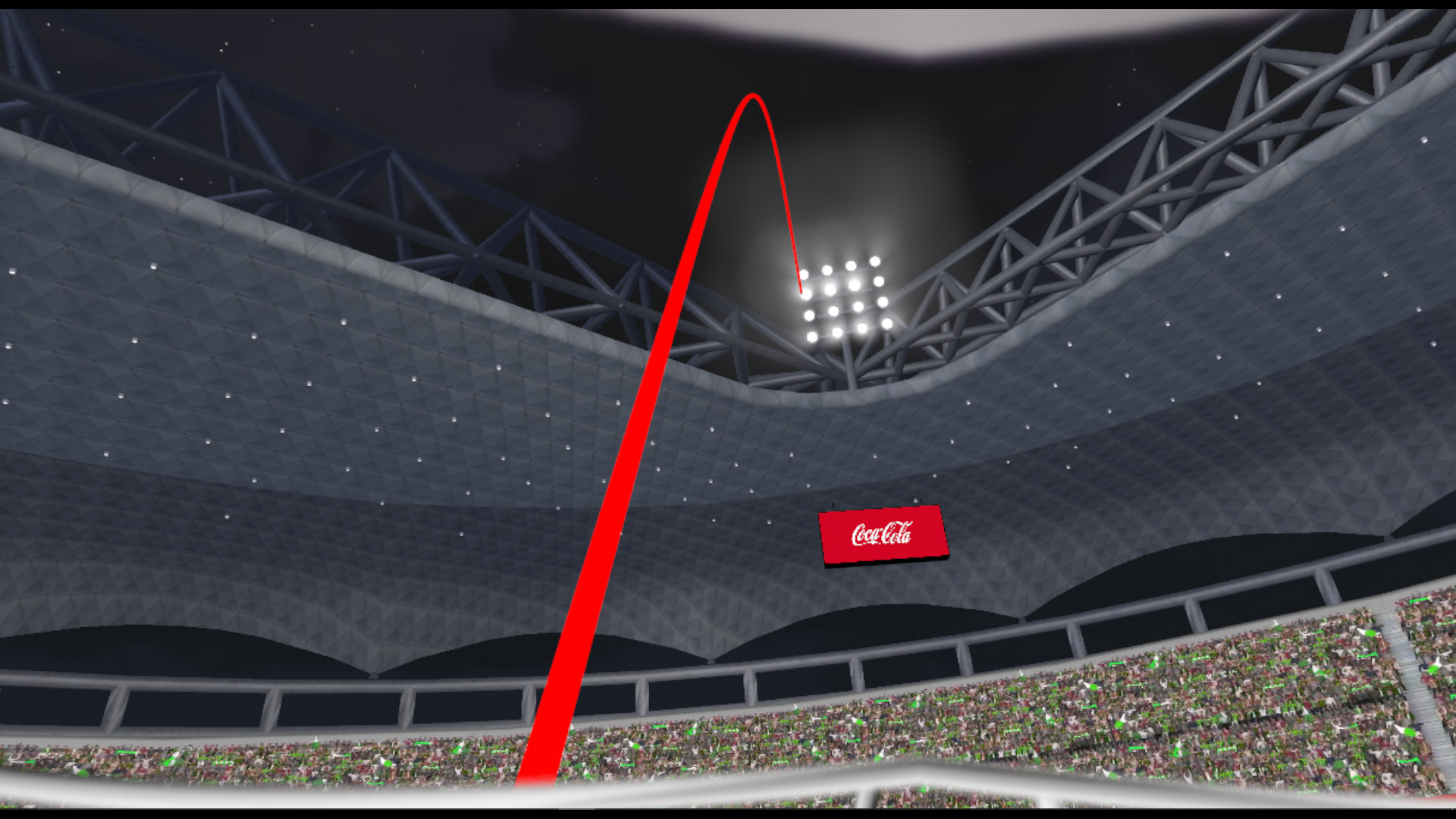
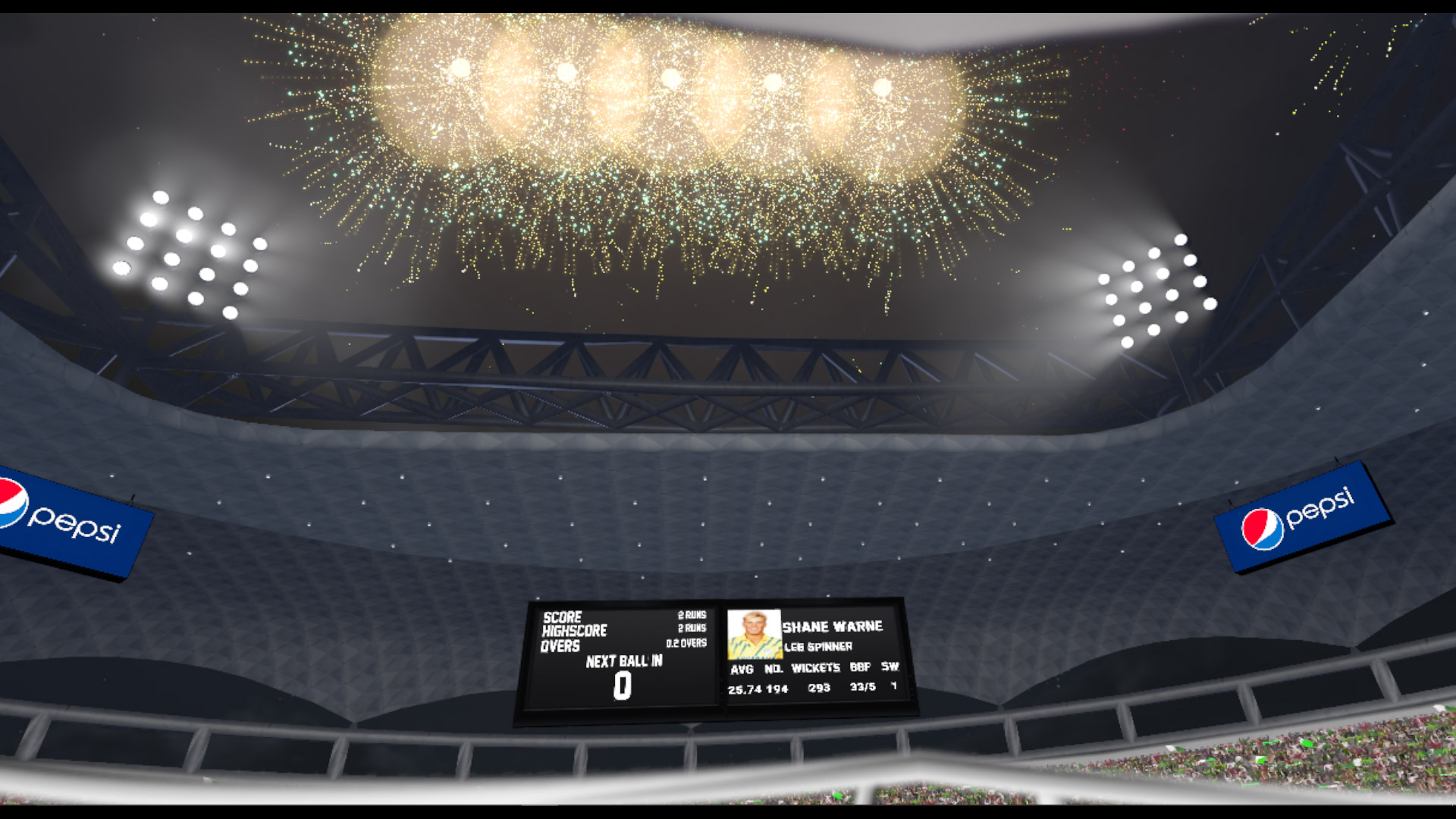
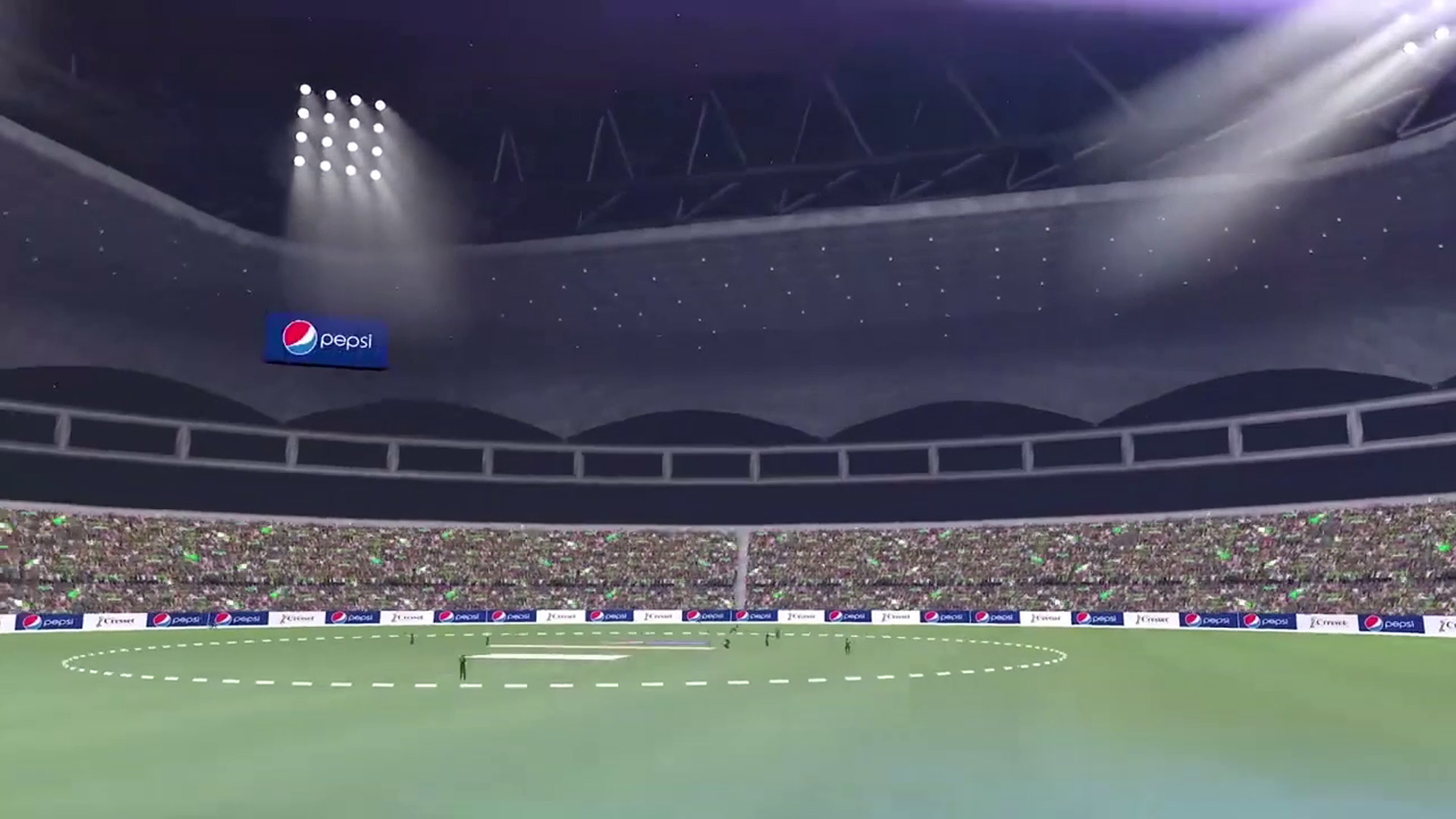
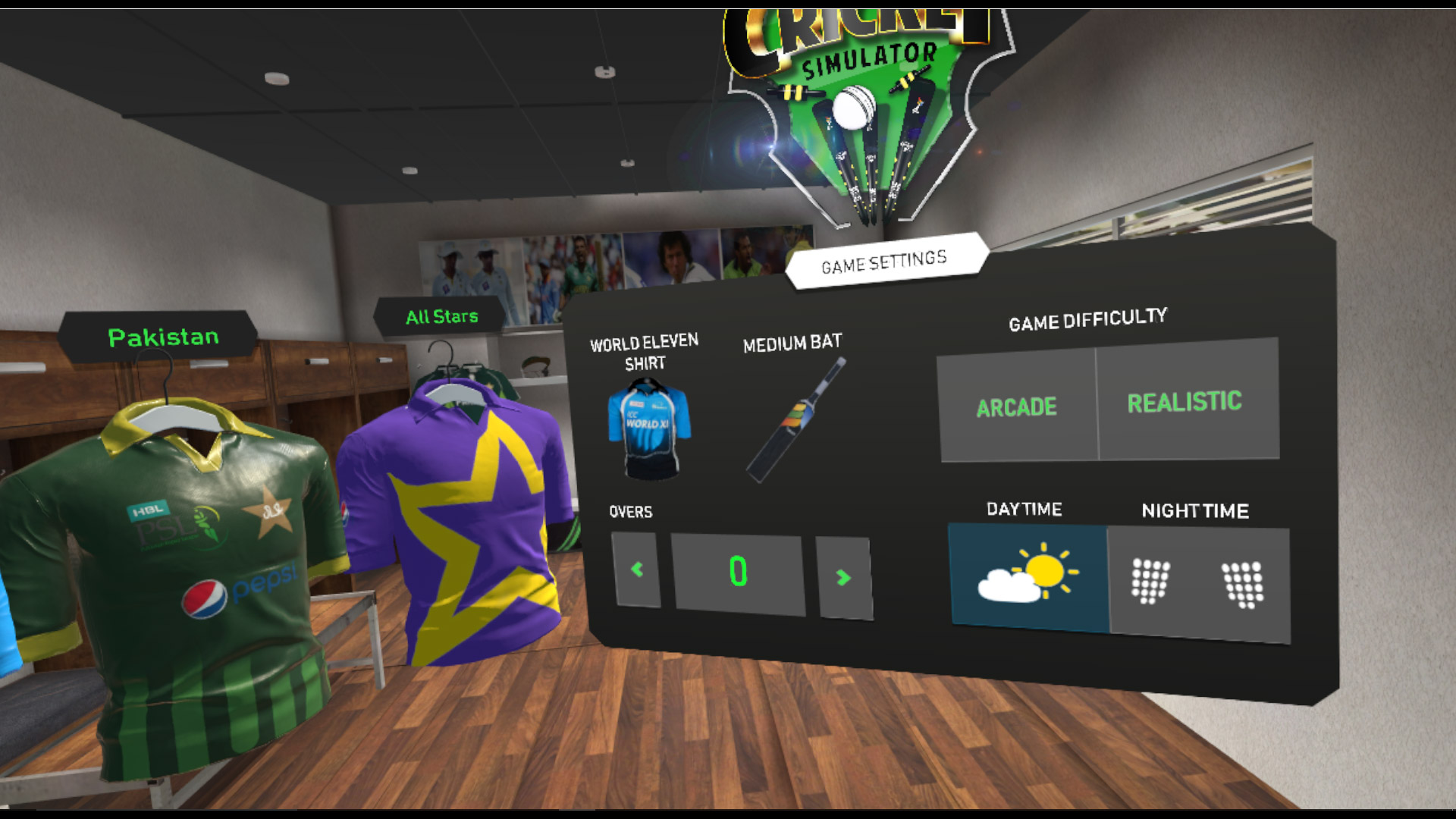
  • Dynamic Lighting & Environmental Pipelines: Implemented a performant day-night cycle and spatial audio system to maintain 90fps immersion across diverse lighting and atmospheric conditions.
  • Distributed State Synchronization: Developed a robust online leaderboard system that segregates global rankings by difficulty mode, ensuring high-integrity competition across distributed nodes.

Technical Leadership & Ownership
As the Technical Director & Lead Systems Architect, I orchestrated the full-stack development lifecycle for a 7-person cross-disciplinary team:

  • Hardware-Software Interop: Directed the integration of the Arduino-powered bat system with the core SteamVR-based interaction layer.
  • Systemic Optimization: Managed the profiling and optimization of physics calculations to minimize motion sickness and maximize performance during 1,500+ person live activations.
  • Secure Infrastructure Design: Architected the end-to-end registration and authentication pipeline, ensuring secure data flow between mobile clients and the VR environment.
  • Cross-Disciplinary Orchestration: Facilitated technical alignment between 3 programmers and the design/art teams to deliver a production-grade simulation over a 13-month lifecycle.

System Architecture
Engine: Unity & SteamVR
Hardware: Arduino, Vive Trackers
Infrastructure: PlayFab, Node.js
Haptics: Arduino-Powered

Project Lifecycle
Duration: 13 Months
Phase: Enterprise Activation
Scale: 1,500+ Person Live

Technical Ownership
Technical Director
Lead Systems Architect
Hardware-Software Lead